As an applied mathematician, I construct mechanistic, computational, and material models to predict emergent behaviours in biological systems.
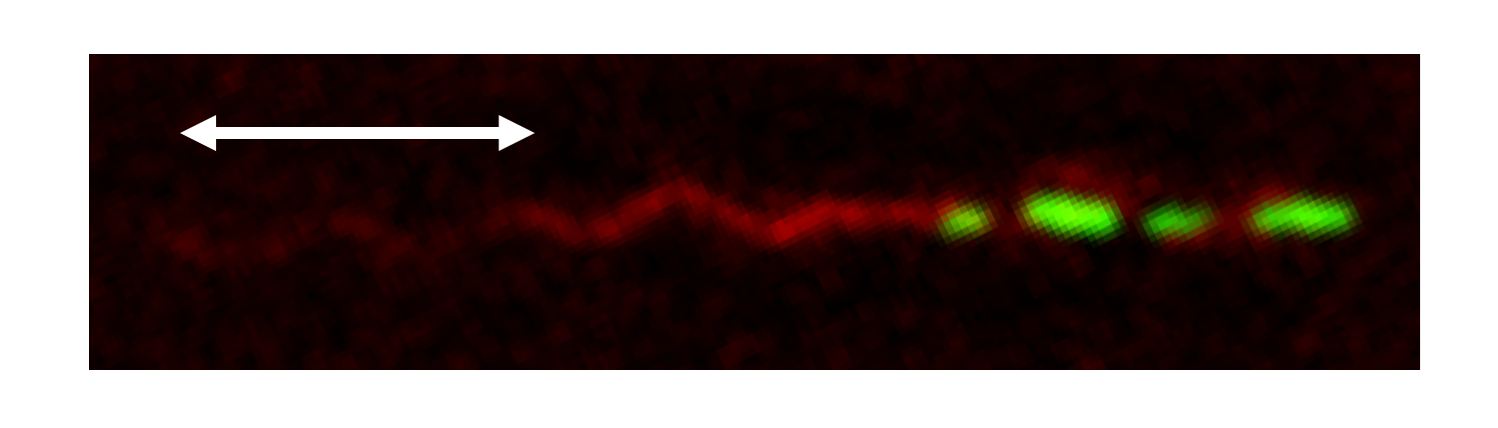
My current research focuses on the themes of synchronisation (cilia and flagella),
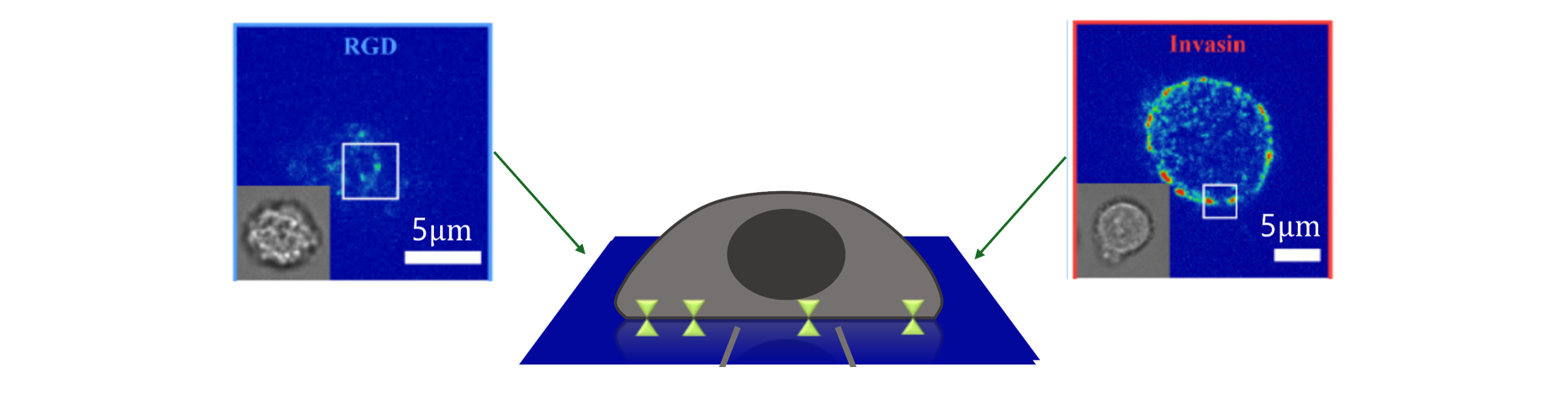
self-organisation (bacterial aggregation, motor self-assembly), and
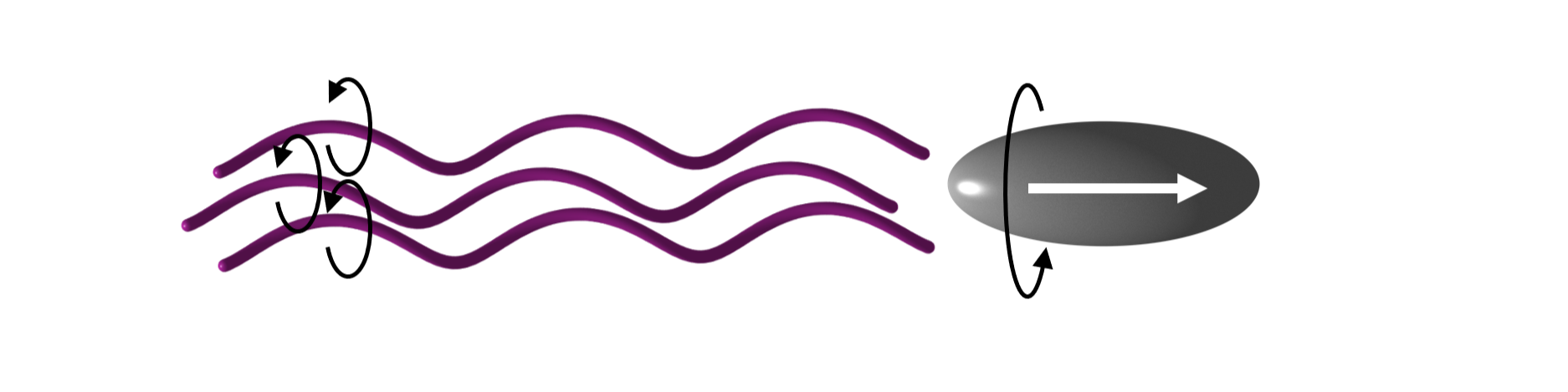
complex motion in fluids (bio-inspired robots, propulsion in yield-stress fluids, and Marangoni-driven filaments).
My work is highly interdisciplinary, combining methods from biological fluid mechanics, asymptotic methods, and dynamical systems.
I especially enjoy collaborating with experimentalists and designing macroscopic-scale experiments that bring the physics of microorganisms to life.
Short bio. I joined the Soft Matter Group at the University of Amsterdam as the inaugural
Els Koffeman Postdoctoral Fellow
in July 2025, after holding the Lynden-Bell Research Fellowship in Mathematics
at Clare College, Cambridge.
Before that, I was a postdoctoral research associate of
Prof. Jean-François Joanny at the Collège de France
and carried out my doctoral studies in
Prof. Eric Lauga's
group at the University of Cambridge.